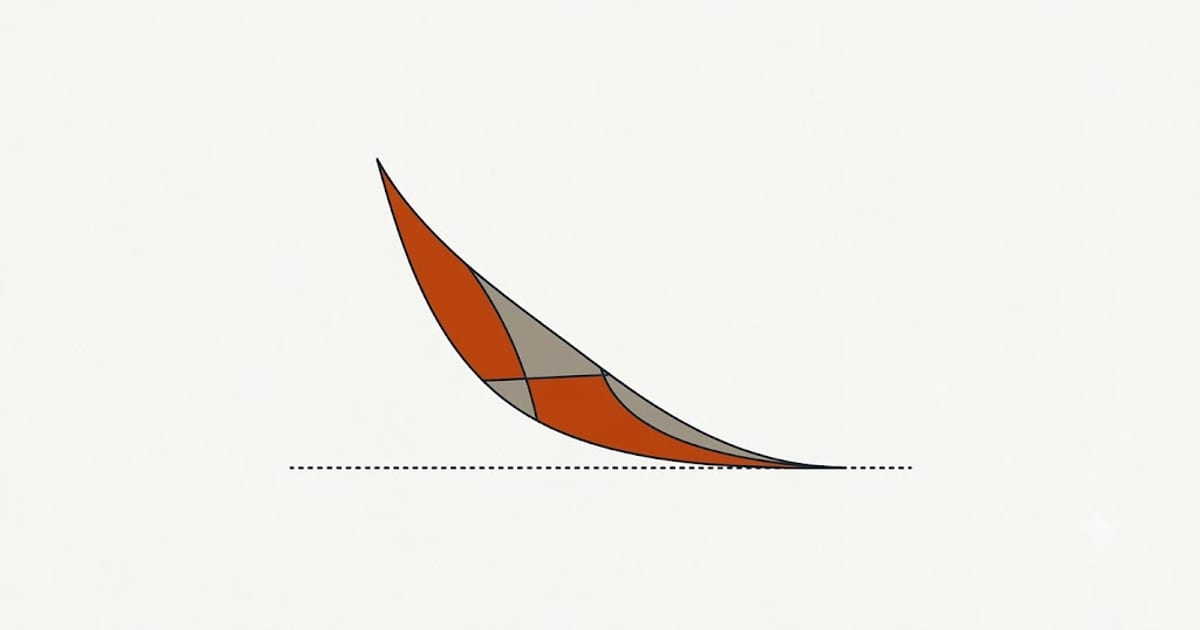
There is no universal moisture number that means dry. A subfloor at 12% moisture content might be soaking in Phoenix and perfectly normal in coastal Maine in August. This is why professional drying is judged against a dry standard — a reading taken from the same material, same species, same building, in an area the water never reached.
The job is finished when affected materials sit within about 4 percentage points of that reference, and hold there across two consecutive daily readings.
Why two consecutive days
A single reading can be wrong in three ordinary ways. The meter can be reading a dry surface over a wet core. It can be reading a spot that was never wet. Or it can be catching a material mid-rebound, where the surface has dried, the equipment came off, and moisture is migrating back out from deeper inside.
Two matching days on the same marked spots rules out all three. Crews mark measurement points with tape or pencil on day one and return to the same points, because moving the probe two feet changes the number more than a day of drying does.
The three instruments and what each is for
Pin meters read electrical resistance between two probes driven into the material. They give an actual moisture content percentage in wood, and they leave holes. This is the instrument that produces the number in the report.
Pinless meters read the dielectric properties of material under the sensor, about three quarters of an inch deep. Non-destructive and fast, good for scanning a whole floor to find where the wet area actually ends. The reading is a relative scale, not a true percentage, and it changes with material density.
Thermo-hygrometers read air, not materials — temperature, relative humidity, and from those, dew point and GPP. These tell you whether the equipment is working. Materials are the goal; air readings are the diagnosis.
Reading the drying curve
Plot the daily numbers and the shape tells you more than the values.
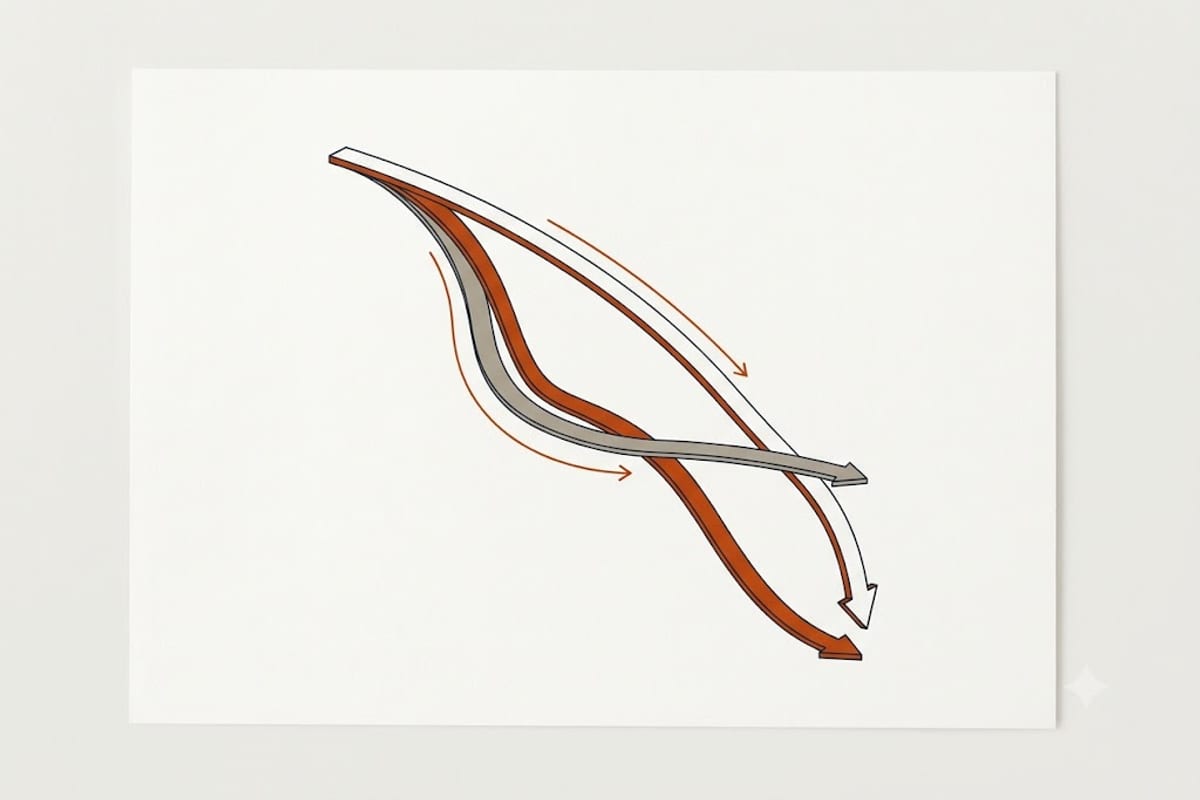
A healthy job drops fast for two days and then slows as the easy surface water leaves and bound water starts moving. That flattening is normal.
A stall looks different: little or no change from one day to the next while readings are still well above the dry standard. Three usual causes, in order of frequency:
- Hidden wet material. Insulation in a cavity, water under a tile bed, a wet sill plate. The meter is reading the surface of something continuously rewetted from behind.
- Not enough dehumidification. Air movers are evaporating water into a room that has no capacity to remove it, so relative humidity climbs and evaporation slows to nothing.
- Too cold. Below roughly 70°F, evaporation drops sharply and refrigerant dehumidifiers lose output. Unheated basements in winter stall for this reason alone.
What "surface dry" hides
The most expensive mistake in this field is stopping when things look and feel dry. Drywall dries from the exposed face inward; the paper backing and the cavity side lag by days. Hardwood dries from the top; the underside is where the water sits.
Three signs that a job was called early and is not actually finished:
- A musty smell that returns after a few days of normal living
- Baseboard or trim that separates from the wall weeks later
- Paint or joint compound that bubbles in a line at a consistent height
Keep the paperwork
Daily moisture logs are what an insurer pays against, and what protects a homeowner if there is a mold claim later. A complete log has, for each day: outdoor temperature and humidity, indoor readings in each affected room, dry standard readings from an unaffected area, and material readings at marked points.
If a crew is drying without recording those, there is no evidence the job reached the standard — and no basis for either the invoice or the release.
The short version
Dry is a comparison, not a number. Take a reference from unaffected material in the same building, mark your measurement points, and hold within four points of the reference for two straight days. Everything else — how it looks, how it smells, how long it has been — is not evidence.