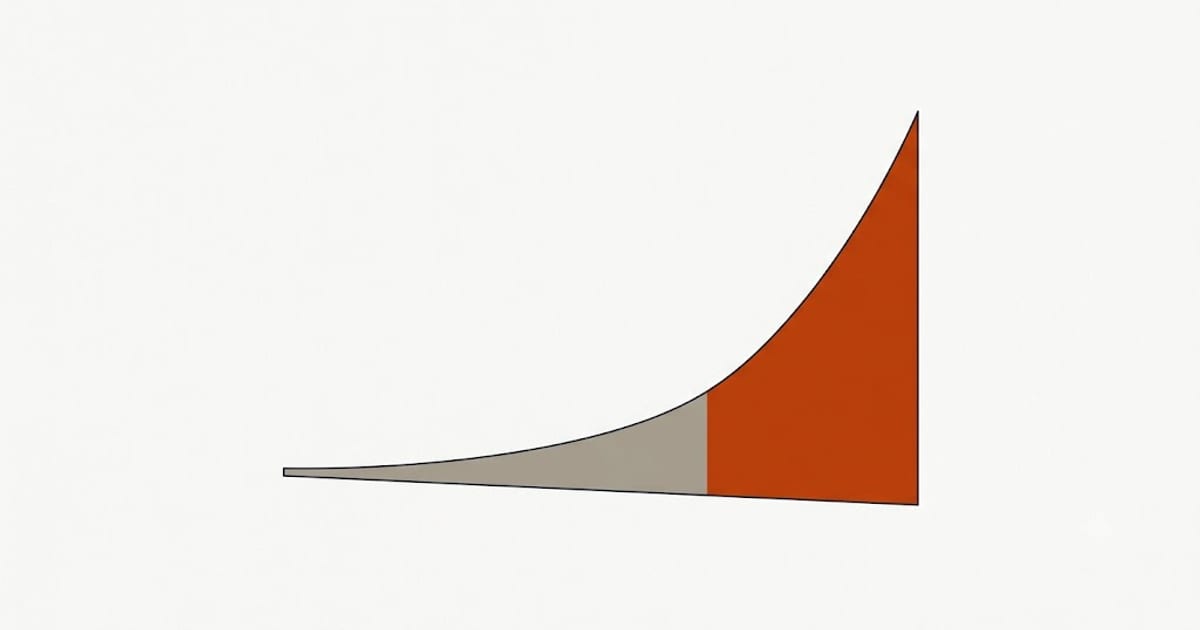
Mold spores are already in every building. They are in the air, in the dust, on every surface, and nothing removes them permanently. What they lack, in a dry building, is water.
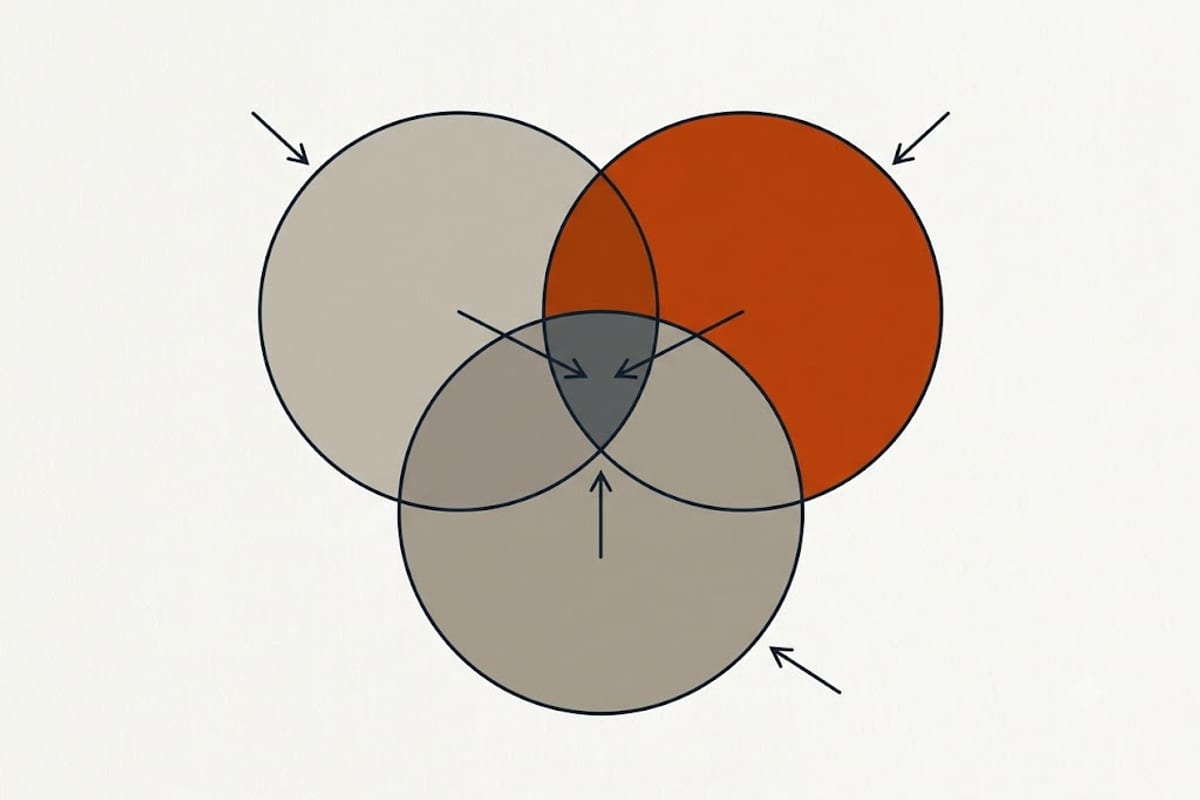
Give them water and three conditions overlap: moisture, an organic food source, and a temperature between roughly 40 and 100°F. Drywall paper, wood, dust, and carpet backing all supply the food. Indoor temperature supplies the rest. So in practice, water is the only variable, and colonization begins within 24 to 48 hours of a material staying wet.
What the 48 hours actually means
It does not mean visible mold at hour 49. It means that germination has begun somewhere in the wet assembly, usually where you cannot see it — the cavity side of drywall, the underside of a subfloor, inside insulation.
Visible growth typically appears somewhere between day 3 and day 12, depending on temperature and how wet the material stayed. By the time it is visible on a wall face, it has usually been established behind that wall for several days.
This is why the restoration standard treats the clock as the thing that matters rather than the appearance. A crew arriving on day 2 is drying a building. A crew arriving on day 6 is often doing remediation, which is a different scope with containment, negative air, and disposal.
The conditions that speed it up or slow it down
Temperature. Growth roughly doubles in rate for every 15 to 20°F increase within the viable range. A wet wall in a heated house in July moves far faster than the same wall in an unheated basement in January. Cold does not kill spores; it pauses them, and they resume when the space warms.
Material. Paper-faced drywall, cellulose insulation, and carpet backing are ideal substrates and colonize fast. Sealed concrete, glass, tile, and metal are not food sources — mold on those surfaces is growing on the dust film, not the material, and wipes off.
Airflow. Still, humid air in a closed cavity is the worst case. Moving air both dries the surface and disrupts settling. This is a large part of why equipment matters more in the first two days than at any point afterward.
Humidity alone. Materials do not need liquid water. Sustained relative humidity above about 60% raises the moisture content of wood and drywall enough to support growth, which is why a chronically humid basement grows mold with no leak at all.
Where it starts, in order
Restoration crews look in a consistent order because growth follows the water, and water follows gravity and capillary action:
- Carpet pad, which holds water long after the carpet face feels dry
- The bottom 4 to 12 inches of drywall, where wicking concentrates
- Insulation in the cavity, which stays wet longest and is completely hidden
- The sill plate and bottom plate, where water pools at the base of a wall
- Under vinyl and laminate flooring, where the covering acts as a vapor barrier and traps everything beneath it
The last one produces the most surprises. A floating floor can hold water underneath for weeks with a perfectly normal-looking surface.
Smell arrives before sight
The musty odor is microbial volatile organic compounds, and it is detectable well before visible growth. A building that smells musty after a water loss has growth somewhere, even if every visible surface is clean.
Chasing that smell with air fresheners or ozone treats the symptom. The odor stops when the moisture source is gone and the colonized material is removed — not before.
What it means for a wet building
The practical consequence is simple and it is about speed rather than technique. Extraction and equipment within the first day usually keeps a loss in the drying category, where materials stay in the building. Past day three, the odds shift toward removal, and the cost difference is several times over.
If a loss has already sat for a week, the useful question is no longer how to dry it. It is which materials come out, and that is decided by opening the assembly and looking — not by meters, and not by how the surface appears.