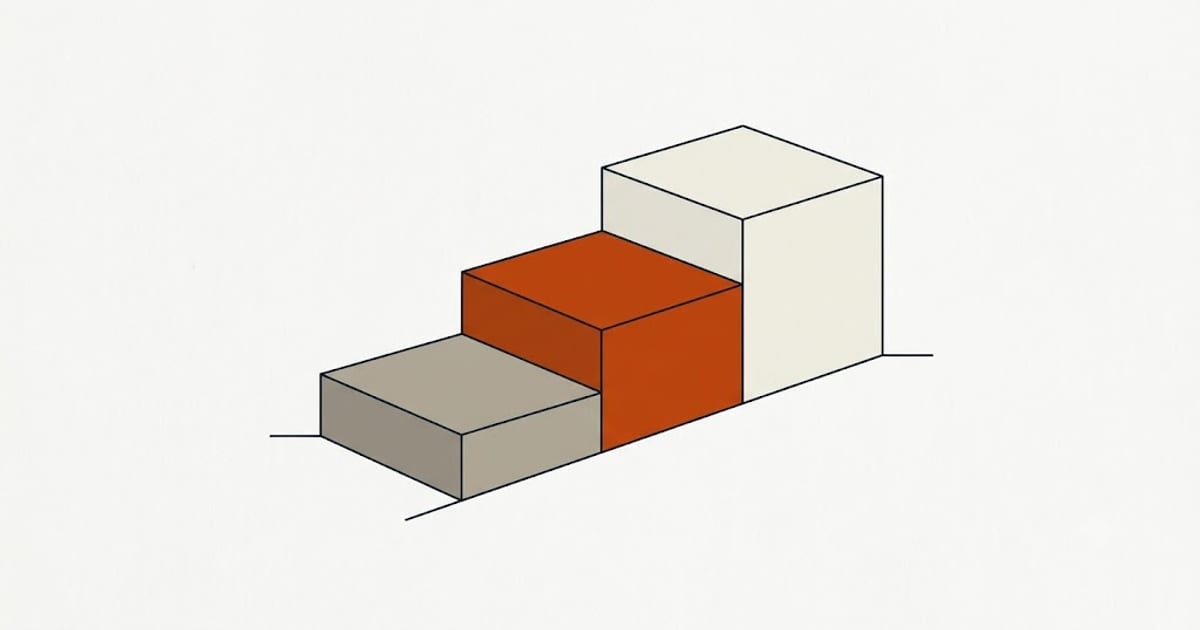
Category 1 water comes from a sanitary source: a supply line, a water heater inlet, a toilet tank above the fill line, melting ice. At the moment it escapes it carries essentially nothing harmful.
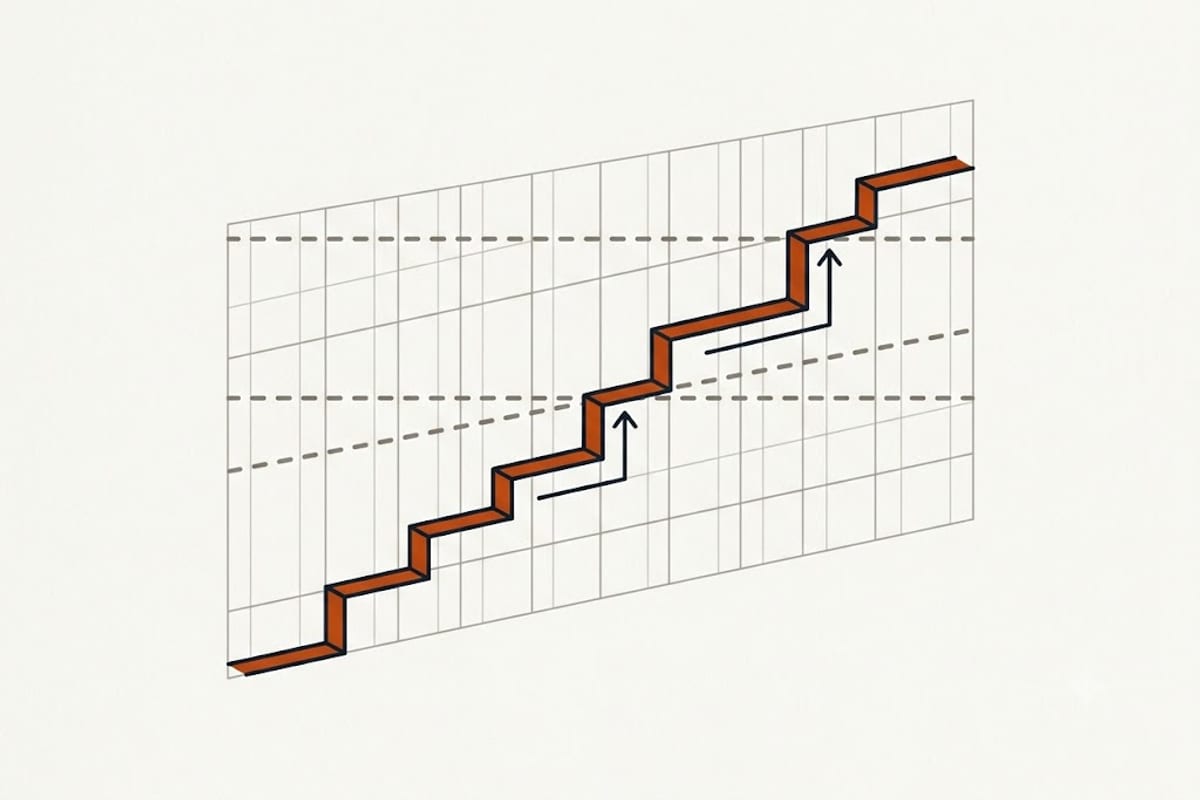
It does not stay that way. Standing water picks up soils from carpet, pad, dust, and building materials, warms toward room temperature, and becomes a growth medium. Under normal indoor conditions the accepted working figure is 48 to 72 hours before Category 1 should be treated as Category 2.
Why the reclassification changes the bill
Category is the axis that decides what gets removed, and the difference is not subtle.
| Category 1 | Category 2 | Category 3 | |
|---|---|---|---|
| Carpet | Dry in place | Usually dry, replace pad | Remove both |
| Carpet pad | Often dried | Replace | Remove |
| Drywall | Dry in place | Dry, sometimes flood cut | Flood cut, remove |
| Insulation | Dry or replace | Replace | Remove |
| Antimicrobial | Not required | Applied | Required, with containment |
| Worker protection | Basic | Gloves, eye protection | Full PPE, negative air |
A room that would have been dried in place for a few hundred dollars becomes a removal-and-rebuild job. The material cost is the smaller half; the labor and the disposal are the larger.
What accelerates the clock
The 48 to 72 hour figure assumes ordinary conditions. Three things shorten it sharply:
Warmth. Growth rates roughly double for every 15 to 20°F. Water in a heated house in summer degrades faster than the same water in an unheated basement in winter — one reason winter losses sometimes stay Category 1 well past three days.
What it soaked into. Water sitting on sealed concrete stays cleaner far longer than the same water in carpet pad, which is porous, holds soils, and was never clean to begin with.
What it passed through on the way. Supply water that ran through a ceiling cavity, across insulation, and down a wall has picked up decades of dust before it reached the floor. It may already be Category 2 when it becomes visible.
Where people lose the clock without knowing
The clock starts when the water escapes, not when it is discovered. Three situations where those differ by days:
- A leak that began while the house was empty for a weekend
- A slow escape behind a wall that only became visible when the paint bubbled
- Water that ran under cabinets or a floating floor and spread further than the visible edge
The last one matters most in practice. What is visible is the smaller part; the wet area under a floating floor is routinely two to three times the area you can see, and it is where the clock has been running unwatched.
What this means on day one
The practical consequence is that response speed is worth more than any equipment decision. Extraction within the first several hours removes most of the liquid water before it has done its soaking and before it has warmed. That single action often keeps a loss in Category 1 and keeps carpet, pad, and baseboard in the building.
If the water has already sat for two or three days, the decision has largely been made for you. Arguing the category at that point is arguing about evidence the adjuster can see: staining, odor, and where the water travelled.
The judgment is not purely a stopwatch
Category is assigned from source, elapsed time, temperature, and what the water contacted — together. Clean water on a tile floor at 60°F for four days may still be Category 1. Clean water in carpet pad at 78°F for 36 hours may reasonably be called Category 2.
What a homeowner should expect is that the call is documented: source identified, elapsed time recorded, temperature logged, materials described. A reclassification with none of that attached to it is the mechanism by which a scope grows, and it is fair to ask for the readings behind it.
The short version
Category 1 is a starting condition, not a property of the water. It degrades in 48 to 72 hours under ordinary indoor conditions, faster when warm or when it soaked into something porous. Everything expensive about a water loss follows from that clock, which is why the first afternoon matters more than the rest of the week.