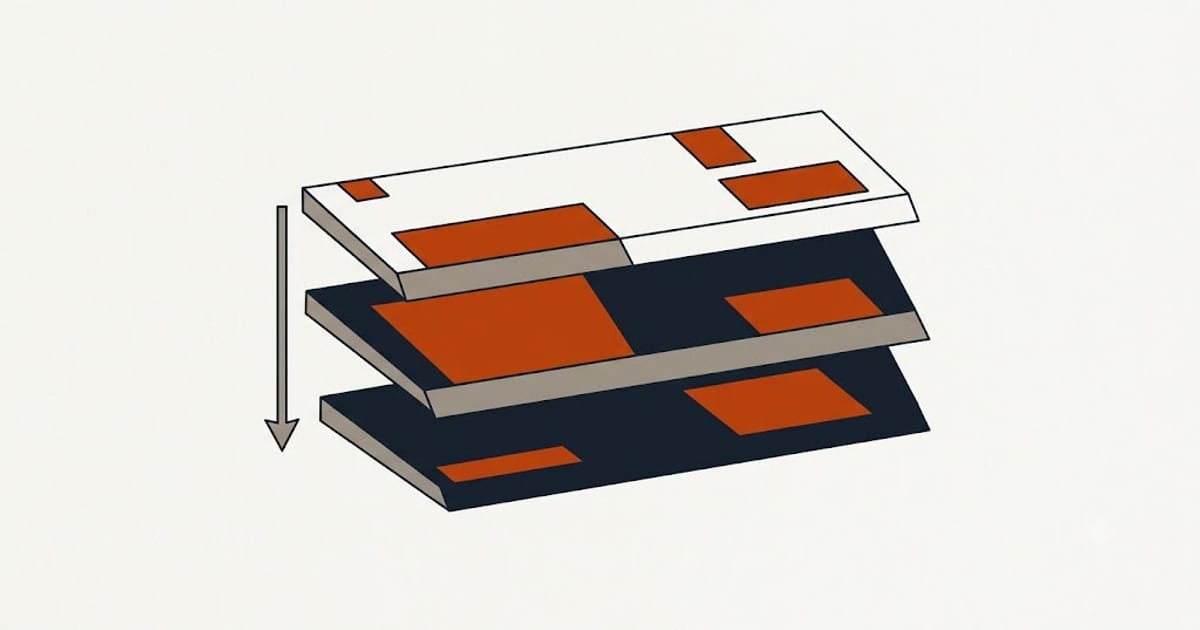
Two words appear on every restoration estimate and they are constantly confused.
Class is how much water — it decides how many air movers and dehumidifiers get plugged in.
Category is how dirty — it decides what can be dried and what has to be cut out and thrown away.
Category is the one that moves the money.
The three categories
Category 1 — clean water. From a supply line, a water heater, a tub overflow with nothing in it, rain that has not touched soil. Nothing in it is harmful at the moment it arrives.
Category 2 — grey water. Significant contamination, enough to cause illness. Washing machine or dishwasher discharge, toilet overflow with urine but no faeces, a sump pump failure, aquarium water.
Category 3 — black water. Grossly contaminated. Sewage, toilet backflow past the trap, rising floodwater from outside, any water that has passed through soil or a contaminated building material.
The part that catches people out: category is not fixed
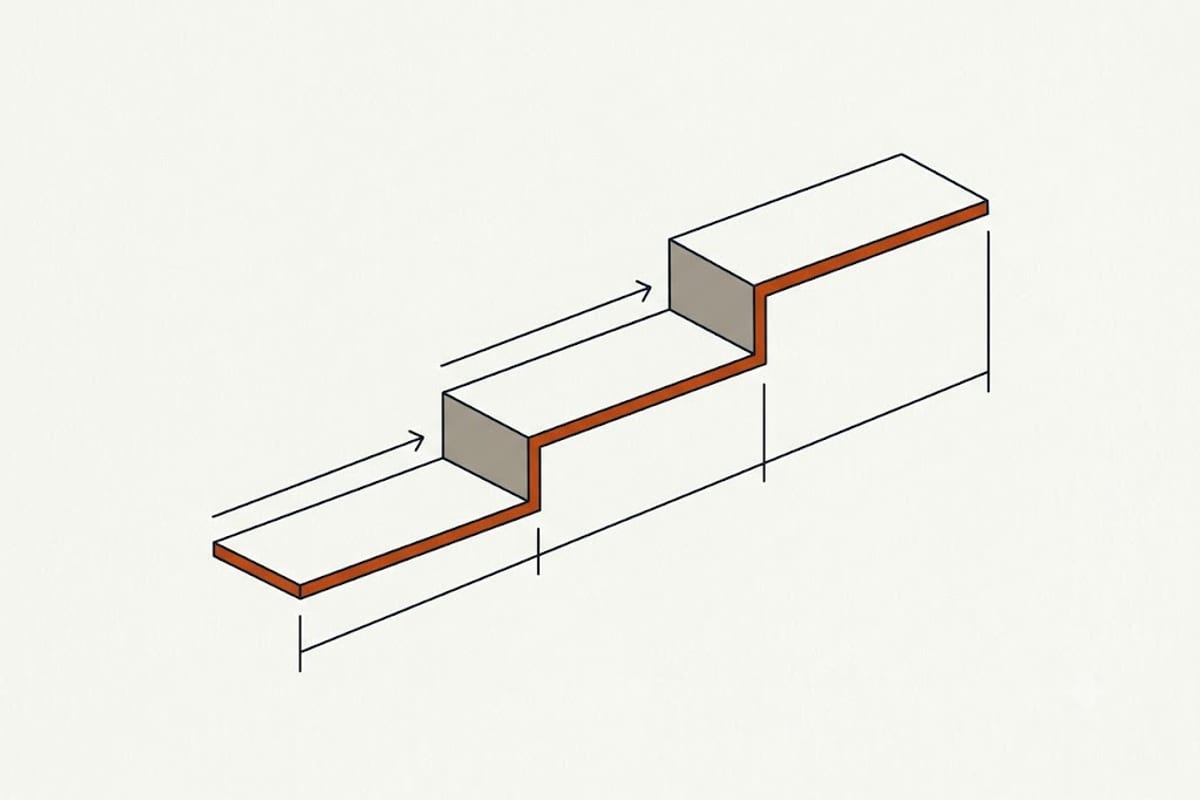
Clean water does not stay clean. Once it sits in a building — soaking into carpet pad, drywall, dust and whatever was on the floor — it degrades.
The standard working assumption is that Category 1 becomes Category 2 in roughly 48 hours, and Category 2 becomes Category 3 in another 48 to 72. Warmth speeds it up.
That is why the response time on the first day matters far more than most homeowners realise. A supply line that broke on Friday and was found on Monday is not a Category 1 job any more, whatever came out of the pipe.
What each category means for the house
| Category 1 | Category 2 | Category 3 | |
|---|---|---|---|
| Carpet | dry in place | pad out, carpet may be cleanable | remove both |
| Drywall | usually dry in place | flood cut common | flood cut, always |
| Insulation | dry if fibreglass | remove | remove |
| Hardwood | dry in place, mat system | case by case | remove |
| Antimicrobial | not required | applied | applied, plus containment |
A flood cut is removing the drywall to a set height above the water line — typically 12 or 24 inches — so the cavity, the insulation and the framing can dry and be treated. It is the visible difference between a Category 1 job and everything else, and it is why the estimates diverge so sharply.
Do not let a source description settle it
"It was just clean water from the fridge line" is a statement about the source, not about the water in your floor now. Three things reclassify it regardless of where it started:
- Time. Past 48 hours, assume Category 2.
- What it crossed. Water that ran through a wall cavity, across a floor into a crawlspace, or over soil is not what it was.
- What it soaked. Carpet pad and old dust are contamination sources in themselves.
Category 3 is not a drying job
It is a removal job followed by a drying job. Porous materials that absorbed Category 3 water are not restored — they are disposed of. That includes carpet, pad, insulation, particleboard, and drywall in the affected zone.
It also needs containment and negative air so the work does not spread contamination into the rest of the house, and that equipment is a separate line on the estimate.
If someone proposes drying Category 3 water in place and keeping the carpet, that is not a cheaper approach. It is a different and worse job.
What to do in the first hour
- Stop the water, then kill power to affected circuits if water is near outlets or the panel.
- Photograph everything before moving anything. This is what the claim rests on.
- Note the time you discovered it and, if you can, when it started. That timeline is what determines category.
- Get standing water out and get air moving, if it is Category 1 and safe to do so.
- Do not run a household fan across Category 2 or 3 water — you are aerosolising it into the rest of the house.
- Call the insurer before the demolition, not after. Work done ahead of an adjuster's inspection is work you may be arguing about later.