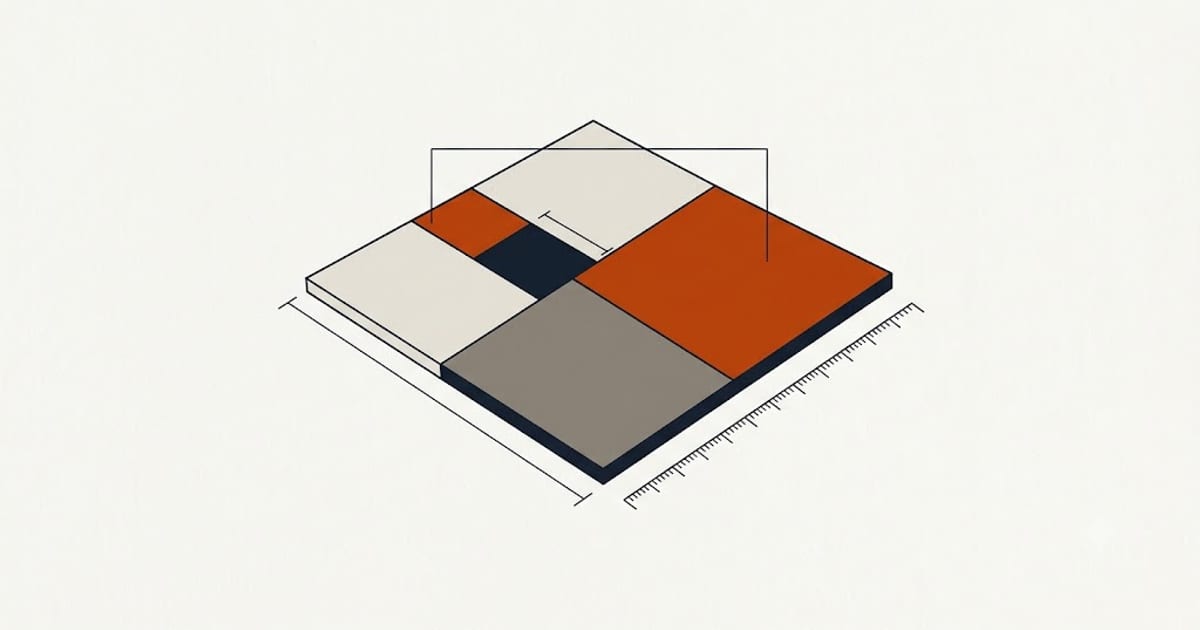
Restoration is quoted per square foot and that is close to the wrong unit. The same 500 ft² can be two thousand dollars or twelve, and the area is the least informative thing about it.
The honest ranges
| Scenario | Typical range |
|---|---|
| Category 1, Class 1, dry in place | $3–$8 per ft² |
| Category 1, Class 2, carpet and pad out | $7–$15 per ft² |
| Category 2, flood cut and antimicrobial | $12–$25 per ft² |
| Category 3, full removal and containment | $20–$40+ per ft² |
A 500 ft² basement can therefore land anywhere between about $1,500 and $20,000, and every one of those numbers is a real quote for a real job.
What actually moves it
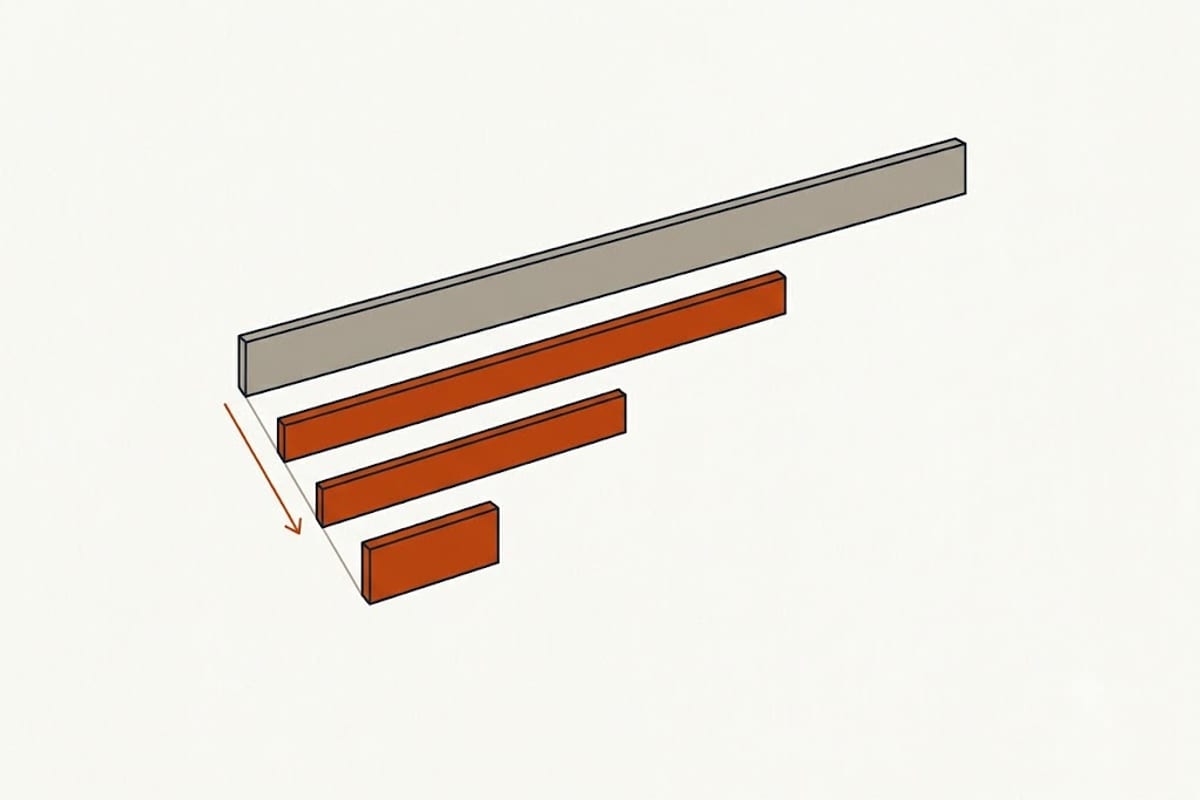
Category — how dirty the water is. This is the biggest lever by a distance, because it decides what gets thrown away. Clean water dried in place keeps the carpet, the pad, the drywall and the insulation. Category 3 keeps none of them, and adds containment and negative air on top.
Class — how much water and how deeply it soaked. This sets the equipment: air movers, dehumidifiers, and the days they run. Class 1 might be two units for two days; Class 3 in the same room might be twelve units for five.
What is behind the walls. Wet insulation means the wall opens. Hardwood over a wet subfloor means either a specialty mat system or replacement, and both are expensive.
How long it sat. Category rises with time — clean water becomes Category 2 in roughly 48 hours. A leak found on Monday that started on Friday is not the job it would have been.
Why "per square foot" survives anyway
Because insurers price that way, and because it is the only number available before anyone has opened a wall.
Treat it as a way to sanity-check an estimate, not as a way to predict one. A quote well outside the ranges above should be explained by something specific — a Category 3 event, a hardwood floor, or an unusually large equipment count.
What is usually not in the first number
Reconstruction. Restoration dries the building and removes what cannot be saved. Putting back drywall, insulation, flooring, trim and paint is a separate scope and frequently the larger one. A quote for "water damage restoration" that seems reasonable may cover only half of what has to happen.
Contents. Furniture, stored belongings, and anything that has to be moved, cleaned or disposed of.
Mould remediation, if growth has started. Past about 48 hours in warm conditions that becomes a live possibility, and it carries its own containment requirements.
Where this site stops short, and why
Every other cost page in this family scales the labour half by published Bureau of Labor Statistics wages for the specific trade. There is no BLS occupation that matches water damage restoration, so there is no state-by-state page here.
The alternative would be borrowing another trade's wage and presenting the result as though it were traceable. That is precisely the thing these pages exist to avoid — the whole value is that the arithmetic can be checked, and a borrowed number cannot be.
So the ranges above are national, and they are ranges rather than a figure.
What to do before agreeing to anything
Ask for the class and category in writing, with the reasoning. Those two words determine most of the bill.
Ask for the moisture log — daily readings on affected materials against a dry reference. It is what the insurer will want and it is what proves the drying was necessary and sufficient.
Photograph everything before work starts. This is what the claim rests on, and it cannot be recreated afterwards.
Call the insurer before the demolition, not after. Work done ahead of an adjuster's inspection is work you may end up arguing about.