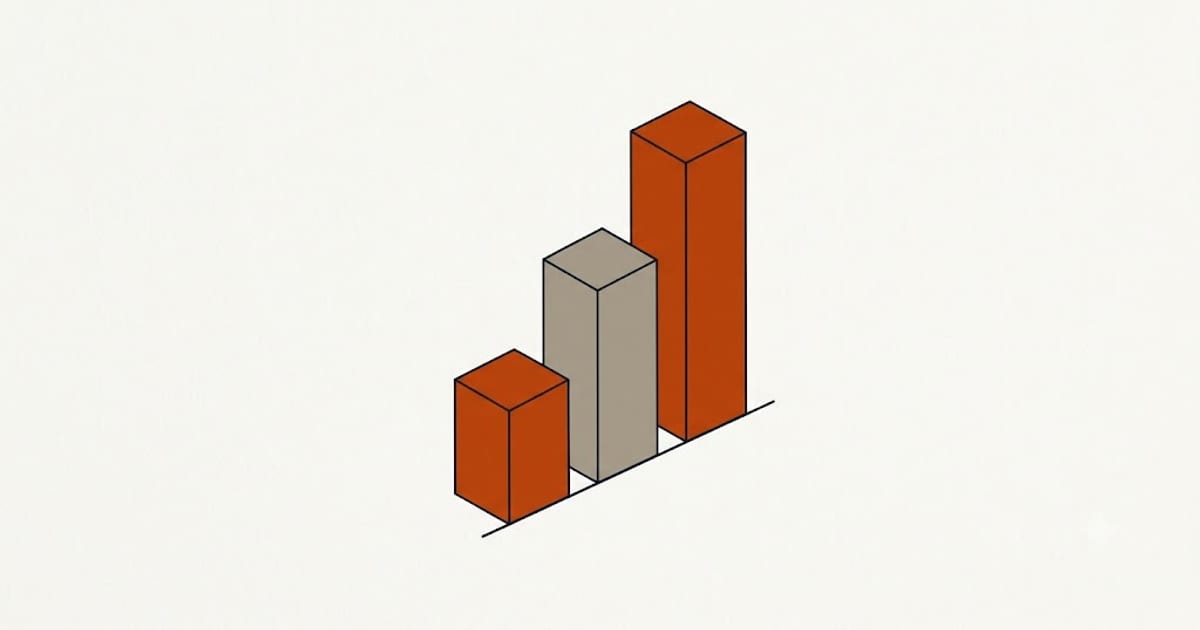
Square footage is the number in every phone estimate and it explains less than half the price. What explains most of it is category — how contaminated the water is — because category decides what stays in the building and what goes to a dumpster.
Drying is cheap. Removal, disposal, and rebuilding are not.
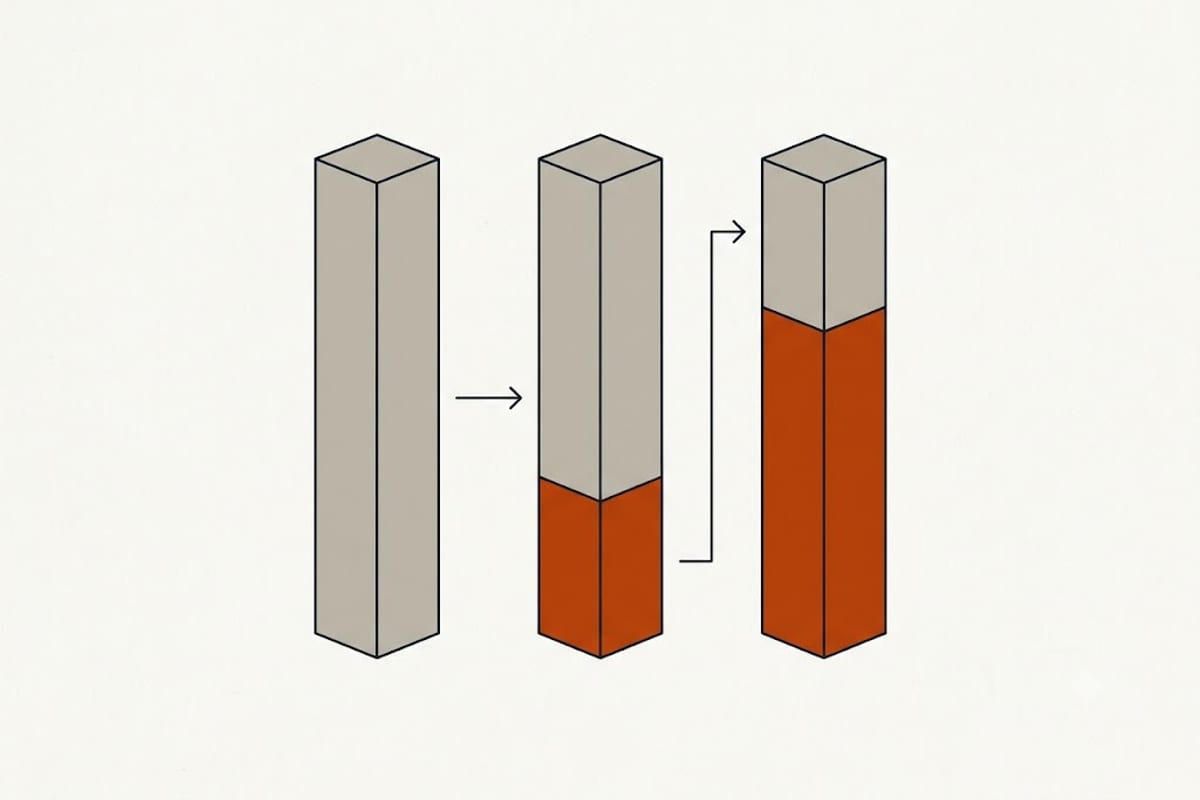
What changes, item by item
| Category 1 | Category 2 | Category 3 | |
|---|---|---|---|
| Source | Supply line, water heater | Appliance discharge, aged Cat 1 | Sewage, groundwater, flood |
| Carpet | Dried in place | Usually saved, pad replaced | Removed |
| Pad | Often dried | Replaced | Removed |
| Drywall | Dried in place | Dried, sometimes cut | Flood cut, removed |
| Insulation | Dried or replaced | Replaced | Removed |
| Hard flooring | Dried | Dried, cleaned | Depends on assembly |
| Antimicrobial | Not applied | Applied | Required |
| Containment | None | Sometimes | Required, negative air |
| Worker protection | Basic | Gloves, eyewear | Full PPE |
| Disposal | Minimal | Moderate | Regulated volume |
Each row that changes from "dried" to "removed" adds labor, disposal, and then reconstruction to put it back.
Why the multiplier is so large
A Category 1 loss in a 400 square foot room is extraction, four to six air movers, a dehumidifier, and three or four days of monitoring. Nothing leaves the building except perhaps the carpet pad.
The same room as Category 3 is: extraction with contaminated-water equipment, removal of carpet, pad, baseboard, the lower band of drywall and the insulation behind it, antimicrobial treatment of the framing, containment with negative air machines running for the duration, regulated disposal — and then a rebuild of everything removed.
The mitigation phase alone commonly runs three to four times the Category 1 figure. The rebuild is a separate estimate that often exceeds the mitigation.
The cost drivers inside each category
Within a category, four things move the number:
Equipment days. Every air mover and dehumidifier bills per unit per day. This is the line most scrutinized by adjusters and the one that daily moisture logs justify.
Access. Cutting around plumbing, wiring, cabinets, and tile is slow. A finished basement with built-ins costs far more per square foot than an open room of the same size.
What the flooring is. Tile over a mud bed, engineered wood over a barrier, or a floating floor each hide water differently and each has a different removal cost.
Whether it is occupied. Working around furniture and residents adds time, and contents manipulation is a separate line item.
Where the estimate can be checked
Mitigation invoices in the US are almost always built from the same industry price database, which sets unit prices by region. That means the rates are not really negotiable, but the quantities are — and quantities are where an invoice grows.
Three things worth asking to see:
- The moisture log, which justifies each equipment day
- The sketch and measurements, which justify square and linear footage
- The category determination, with the source and elapsed time recorded
A scope with none of those attached is a number without evidence behind it, and that is true whether the number is high or low.
The practical takeaway
Ask what category the loss was called before asking what it will cost. If the answer is Category 1 and the crew is proposing removal of carpet, drywall, and insulation, the scope and the category disagree — and one of them is wrong.