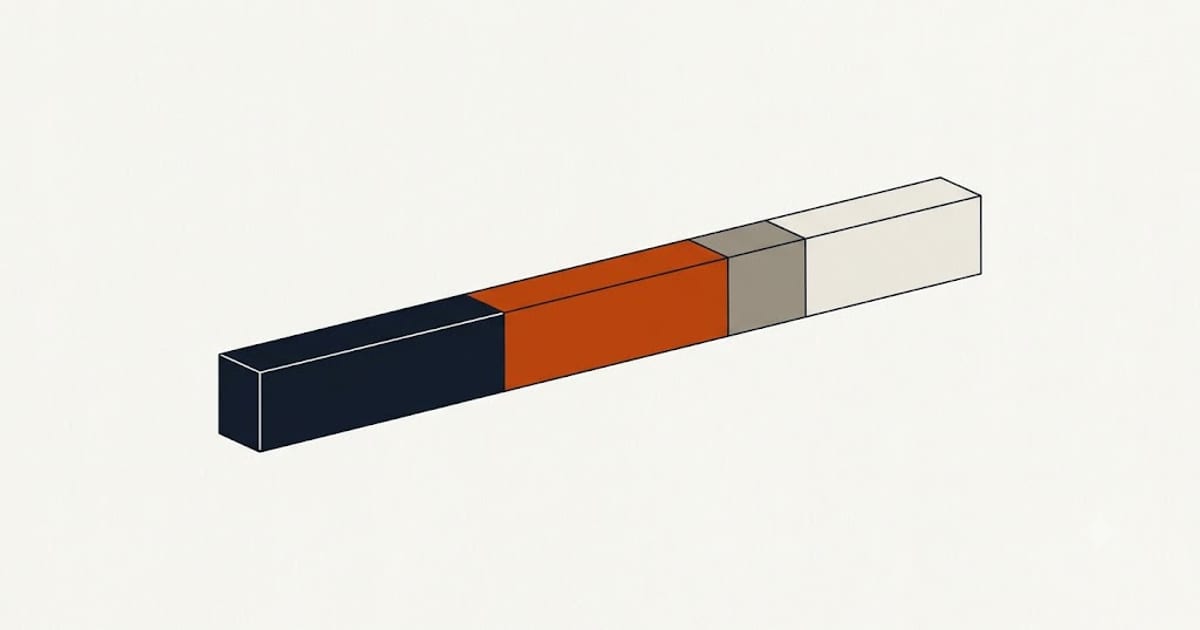
Drying a wet room and remediating a moldy one are different trades with different price structures. Drying bills equipment and days. Remediation bills containment, removal, disposal, and rebuild — and the last of those is often the largest and is quoted separately.
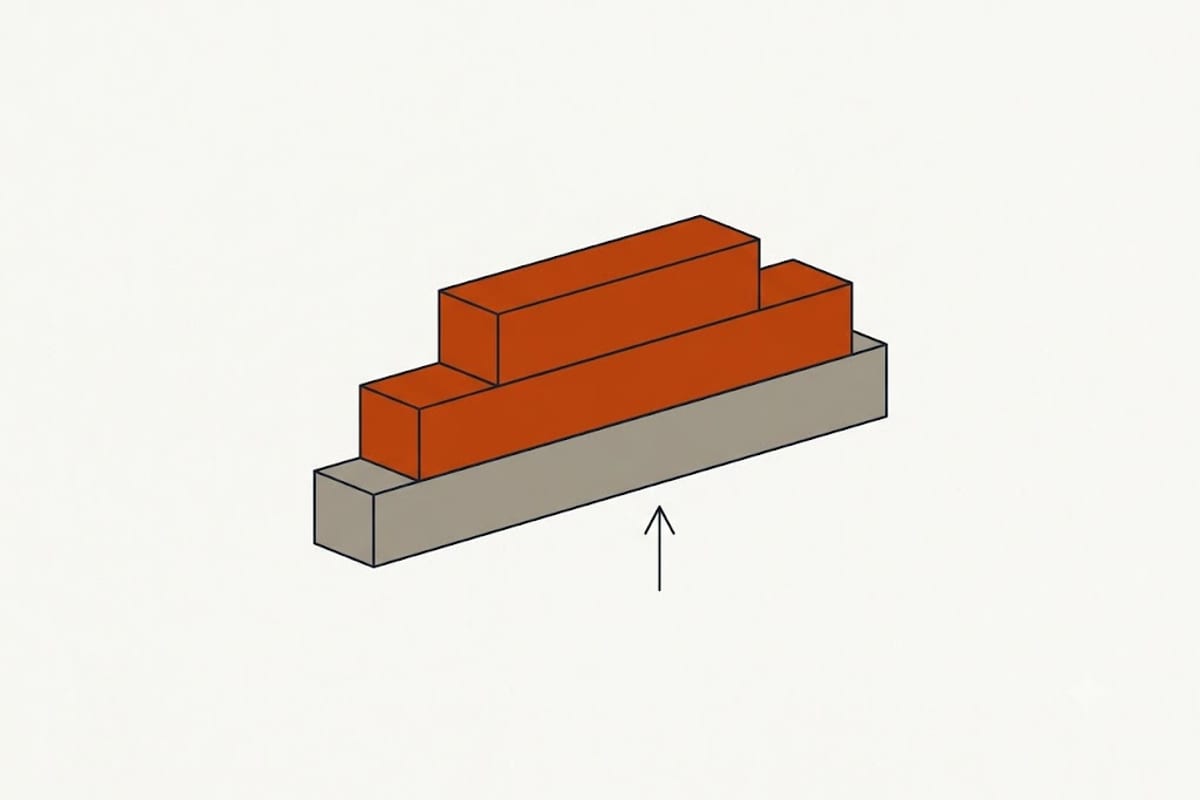
What drives the number
Containment. Sealing the work area in poly, building a decontamination entry, and running negative air machines for the duration. This is set-up labor that does not scale down much — a small area still needs a full enclosure.
Removal. Everything porous and colonized comes out: drywall, insulation, carpet, pad, sometimes subfloor. Priced by area and by how hard it is to reach.
Disposal. Bagged, sealed, and hauled. Volume-based, and demolition produces more volume than people expect.
Treatment. Cleaning and treating framing after removal, plus HEPA vacuuming of surfaces in and around the containment.
Clearance testing. Third-party air sampling before the containment comes down. Worth insisting on — it is the only objective evidence the work succeeded, and it should be done by someone who is not the remediator.
Rebuild. Putting back everything removed. Usually a separate contractor and frequently more than the remediation itself.
Why area is a weak predictor
| Situation | Relative cost |
|---|---|
| Surface growth on painted drywall, wiped and sealed | Lowest |
| One wall cavity, insulation and lower drywall removed | Moderate |
| Same wall, but inside a sealed containment with negative air | Roughly double the above |
| Whole room, HVAC involved | Several times again |
The third row is the one people do not anticipate. The same physical removal costs about twice as much once it has to happen inside a proper enclosure — and category or spore type decides whether the enclosure is required, not the size of the patch.
HVAC involvement is the biggest single escalator. Once ducts are contaminated, growth has a distribution path to the whole house, and the scope stops being one room.
What insurance usually does
Most policies cap mold coverage at a modest limit — commonly $5,000 to $10,000 — regardless of the size of the loss. Some exclude it entirely unless it results directly from a covered peril, and even then the cap applies.
The practical consequence: mold coverage is not real coverage. It is a token amount. The way to be protected against a $30,000 remediation is to prevent the growth, which means responding to the water in the first 48 hours, when the loss is still a drying job with full coverage.
Where money is wasted
Fogging and ozone without removal. These treat air and surfaces. Colonized porous material stays colonized. The smell returns.
Testing before you have a plan. An air sample tells you spore counts, not where the water is. If there is visible growth and a known water source, testing before remediation adds cost without changing what has to be done. Test after, for clearance.
Remediating without fixing the source. Growth returns to the same wall within months. The moisture source is the job; the mold is the symptom.
Using the remediator's own clearance test. Independent testing is inexpensive relative to the work and it is the only part of the process that is genuinely objective.
The comparison worth internalizing
Responding to a wet wall on day one is equipment and a few days of monitoring. The same wall found on day thirty is containment, removal, disposal, clearance, and rebuild — and the insurance that covered the first one is largely absent for the second.
That gap is the entire argument for treating a water loss as urgent even when it looks minor.